

As of today, 1200 Turkish Lira is equal to approximately 1200 tl kac euro. This number, known as the exchange rate, changes constantly.
The final amount you receive can vary depending on where and how you exchange the money due to fees and different rates.
This guide will not only give you the number but will also explain how the calculation works. We’ll cover what factors influence the rate and how to get the best deal possible.
By the end of this article, you’ll be able to confidently handle any TL to EUR conversion.
Understanding the Basics: What is a Currency Exchange Rate?
An exchange rate is the value of one country’s currency compared to another’s. Simple, right?
When you see the currency pair TRY/EUR, it means how many Euros (EUR) you get for one Turkish Lira (TRY). If the rate goes up, your Lira buys more Euros. If it drops, your Lira buys fewer Euros.
The mid-market rate is like the real deal. It’s the rate that banks and transfer services use to trade among themselves. You can usually find this rate on Google or financial news.
But here’s the catch: the consumer rate you get at a bank or currency exchange is different. This is where the spread comes in. The spread is the service’s profit margin, kind of like the difference between wholesale and retail prices for a product.
Imagine buying a shirt. The wholesale price is what the store pays, and the retail price is what you pay. The difference is the store’s profit.
Same with currency: the mid-market rate is the wholesale price, and the consumer rate is the retail price.
Your goal is to find a service with a rate as close to the mid-market rate as possible. That way, you keep more of your money. For example, if you want to convert 1200 tl kac euro, you’d want the best rate to get the most Euros for your Lira.
How to Calculate 1200 TL to EUR Step-by-Step
Calculating 1200 TL to EUR is like following a simple recipe. Let’s break it down.
First, you need the right ingredients. Find the current, reliable TRY to EUR exchange rate from a source like Google Finance, XE, or Reuters.
Next, think of the exchange rate as a conversion factor. If 1 Euro costs 35 Turkish Lira, you divide your Lira amount by 35.
Let’s do the math with 1200 TL. Using a rate of 1 EUR = 35.50 TRY, the calculation is: 1200 TL / 35.50 = €33.80.
This is just like measuring out ingredients in a recipe. You get the right amount when you follow the steps.
Online currency converter tools can give you the quickest and most up-to-date results. But doing the calculation yourself helps you understand what’s happening under the hood.
Always check the date of the rate you’re using. The Turkish Lira can be very volatile, like a roller coaster that changes direction quickly. Disfinancified
Keep in mind, this calculation doesn’t include fees. We’ll cover those in a later section.
Understanding 1200 tl kac euro is all about following these steps and staying aware of the latest rates.
What Causes the Turkish Lira to Euro Rate to Change?
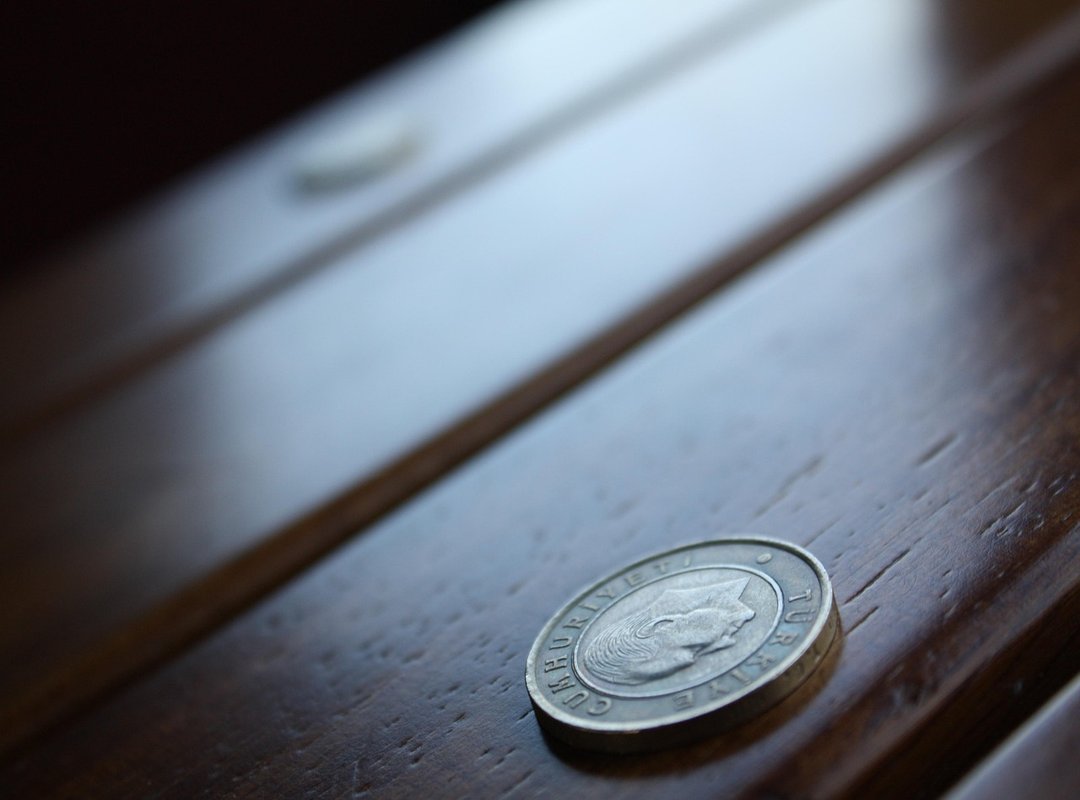
Currency values aren’t set in stone. They move around a lot based on what’s happening in both Turkey and the Eurozone.
Interest rates play a big role. When the Central Bank of the Republic of Turkey (CBRT) or the European Central Bank (ECB) changes rates, it can make their currencies stronger or weaker. Higher interest rates usually mean a stronger currency because they attract more foreign investment.
Inflation is another key factor. If inflation is higher in Turkey than in the Eurozone, the Lira tends to weaken. That means you get fewer Euros for your Lira.
It’s simple but important to understand.
Economic stability and performance also matter. Things like GDP growth, unemployment rates, and political stability affect how much people want to invest in a country. If Turkey’s economy is doing well, the Lira might strengthen.
If there’s political unrest, it could weaken.
Tourism has a temporary effect too. A strong tourist season in Turkey can boost demand for the Lira. More tourists mean more people exchanging their Euros for Lira, which can push up the Lira’s value.
So, what should you do? Keep an eye on these factors. If you’re planning to convert 1200 tl kac euro, check the current rates and trends.
Don’t just jump at the first rate you see. Wait for a favorable moment, and always compare different exchange services to get the best deal.
Where to Exchange Currency to Get the Best Deal
When you’re looking to get the most Euros for 1200 TL, it’s important to know where to go. Banks are a secure option, but they often have less competitive exchange rates and may charge high transfer fees.
Airport currency kiosks? Stay away from them, especially for large amounts. They offer the worst rates because of their convenience and captive audience.
Online money transfer services like Wise or Remitly are often the cheapest. They offer rates close to the mid-market rate with transparent, low fees. This can make a big difference in how many Euros you end up with.
Using debit or credit cards abroad can be a good option if your card has no foreign transaction fees. But watch out for ‘Dynamic Currency Conversion.’ Always pay in the local currency (Euros) to avoid hidden charges.
So, if you’re wondering 1200 tl kac euro, the best way to find out is by using an online money transfer service. It’ll give you the most accurate and favorable rate.
Final Checklist for Your TL to EUR Conversion
- 1200 tl kac euro has a specific Euro value today, but it will be different tomorrow.
- Always compare the offered rate to the current mid-market rate to see how fair the deal is.
- Factor in all fees, not just the exchange rate, to understand the total cost.
- A few minutes of research before you exchange can save you a significant amount of money.
 Clifton Seilerance is the kind of writer who genuinely cannot publish something without checking it twice. Maybe three times. They came to investment strategies and insights through years of hands-on work rather than theory, which means the things they writes about — Investment Strategies and Insights, Wealth Management Strategies, Budgeting and Saving Techniques, among other areas — are things they has actually tested, questioned, and revised opinions on more than once.
That shows in the work. Clifton's pieces tend to go a level deeper than most. Not in a way that becomes unreadable, but in a way that makes you realize you'd been missing something important. They has a habit of finding the detail that everybody else glosses over and making it the center of the story — which sounds simple, but takes a rare combination of curiosity and patience to pull off consistently. The writing never feels rushed. It feels like someone who sat with the subject long enough to actually understand it.
Outside of specific topics, what Clifton cares about most is whether the reader walks away with something useful. Not impressed. Not entertained. Useful. That's a harder bar to clear than it sounds, and they clears it more often than not — which is why readers tend to remember Clifton's articles long after they've forgotten the headline.
Clifton Seilerance is the kind of writer who genuinely cannot publish something without checking it twice. Maybe three times. They came to investment strategies and insights through years of hands-on work rather than theory, which means the things they writes about — Investment Strategies and Insights, Wealth Management Strategies, Budgeting and Saving Techniques, among other areas — are things they has actually tested, questioned, and revised opinions on more than once.
That shows in the work. Clifton's pieces tend to go a level deeper than most. Not in a way that becomes unreadable, but in a way that makes you realize you'd been missing something important. They has a habit of finding the detail that everybody else glosses over and making it the center of the story — which sounds simple, but takes a rare combination of curiosity and patience to pull off consistently. The writing never feels rushed. It feels like someone who sat with the subject long enough to actually understand it.
Outside of specific topics, what Clifton cares about most is whether the reader walks away with something useful. Not impressed. Not entertained. Useful. That's a harder bar to clear than it sounds, and they clears it more often than not — which is why readers tend to remember Clifton's articles long after they've forgotten the headline.