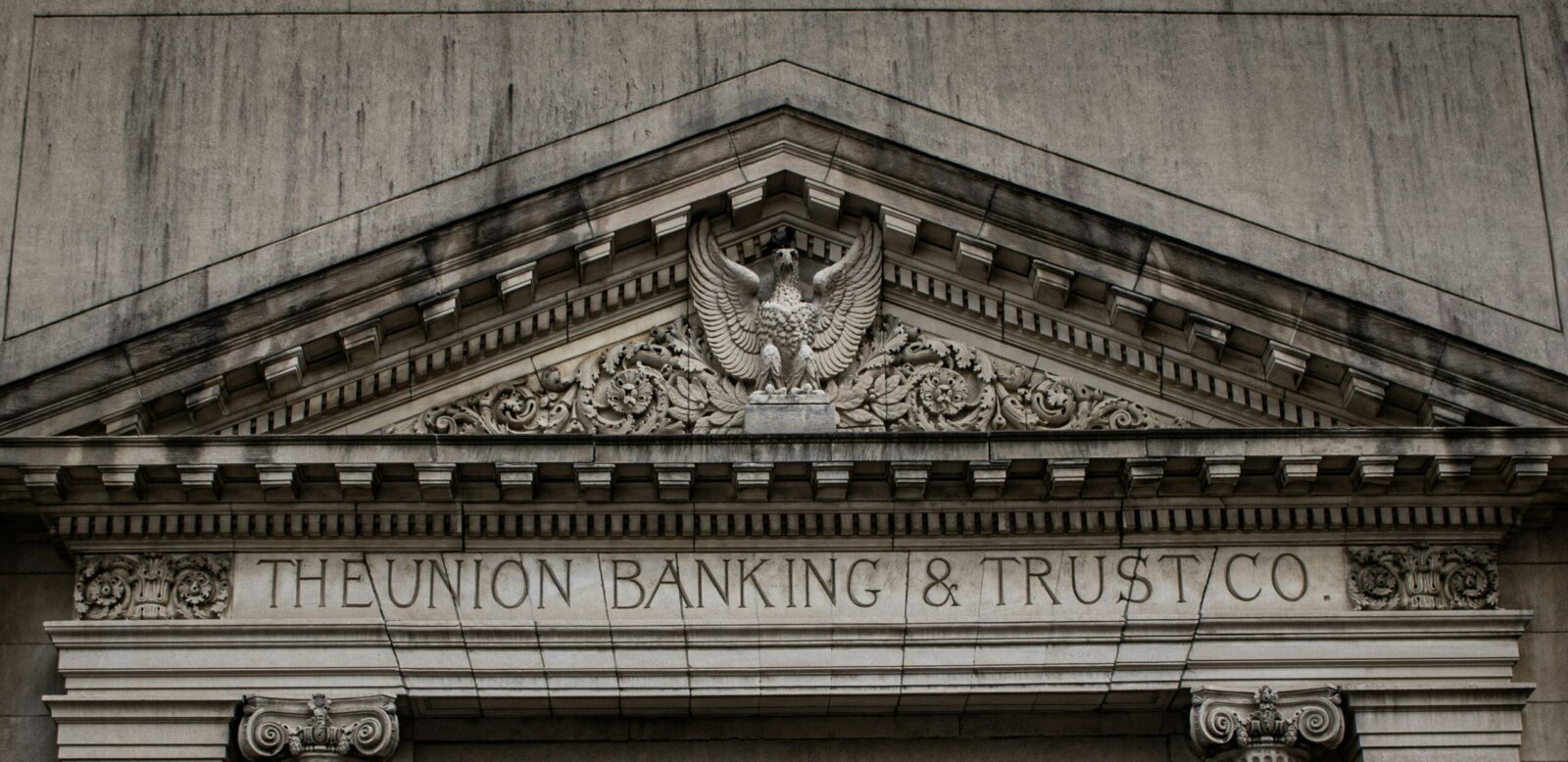

Central Banks Treading a Fine Line
Inflation is finally easing in parts of the world, but the pace is uneven and slower than anyone would like. Prices on essentials like food, energy, and housing have cooled compared to peak pandemic era levels, but the damage lingers. For policymakers, that means walking a tightrope: keep rates high too long and choke growth; cut too soon and risk a rebound in inflation.
In the U.S., the Federal Reserve is signaling a hold. Inflation hasn’t dropped low enough for comfort, but rate hikes are already putting pressure on consumers and small businesses. Across the Atlantic, Europe’s central banks are dealing with weaker growth and softer inflation, prompting talk of rate cuts.
This split matters. Diverging policies can trigger currency swings, shift capital between markets, and create ripple effects in global borrowing costs. For everyday consumers, it translates to higher credit card rates, pricier mortgages, and uncertainty around job markets. For investors, volatility becomes the norm.
Bottom line: central banks aren’t aligned, and that’s going to define the tone of the global economy well into the next year.
Shifts in Global Supply Chains
The old model of ‘make everything in China’ is cracking under pressure. Companies are looking for a backup or at least a balancing act. That’s where the “China Plus One” strategy comes into play. Instead of relocating everything, brands are spreading risk by adding new manufacturing bases in places like India, Vietnam, and Mexico. It’s not just about costs though labor and logistics play a role it’s about resilience in a more unpredictable world.
Tensions between the U.S. and China, plus tighter export controls and rising tariffs, have made relying on a single country a liability. Sourcing diversification is now a strategic necessity. This shift isn’t subtle either we’re already seeing new infrastructure going up across Southeast Asia and Latin America to capture the outflow.
The ripple effects are big. Prices might see short term bumps during transition, and some efficiencies will be lost. But long term? Expect more jobs in emerging markets, new geopolitical alliances, and a broader, more complex global supply chain. It’s less about perfect efficiency now and more about flexibility and risk management.
The Rising Cost of Climate Adaptation

Governments aren’t just talking about climate change anymore they’re writing checks. From wind farms to sea walls, public and private sectors are pushing serious money into sustainability and resilience. It’s not just a moral urgency; it’s risk management. Fires, floods, and droughts are already raising insurance premiums and bending supply chains. That’s hitting balance sheets.
And the economic ripple is just starting. New taxes on carbon, tighter emission standards, and subsidies for green tech are becoming the norm. Markets aren’t adjusting someday they’re adjusting now. Companies that can align with these shifts will benefit. Those that don’t will bleed costs. Climate risk is financial risk.
No one gets to sit this out. Whether you’re a multinational or a solo entrepreneur, the green transition is already reshaping regulation, consumer behavior, and resource access. Brace for change or better yet, build for it.
Emerging Markets Gaining Momentum
Quietly but quickly, emerging markets are shaking things up. Countries across Southeast Asia, parts of Africa, and South America aren’t just playing catch up they’re leapfrogging. Fueled by young populations, mobile first behavior, and increasing political stability, these regions are posting growth numbers that developed economies haven’t seen in years.
What’s really moving the needle? Access to capital. Mobile banking apps and digital wallets now reach people who never had access to brick and mortar banks. On top of that, crypto is creating parallel systems of finance in places where traditional ones have failed. That means small businesses, individual creators, and everyday consumers are transacting, saving, and even investing in ways that weren’t possible just five years ago.
Smart investors aren’t sleeping on this. The opportunities are raw, sometimes volatile, but undeniably real. For smart investing insights and positioning strategies, explore our smart money guide.
The Ongoing Tech Race and Its Economic Fallout
The global tech race isn’t slowing down if anything, it’s heating up. AI, semiconductors, and cybersecurity are now strategic assets, not just business drivers. Governments know it. Investors know it. And that’s why you’re seeing billions flow into national tech ecosystems, from chip fabrication plants in Arizona to AI research parks across Southeast Asia.
This push for tech independence is about more than supply chain security. It’s about power. Whoever controls the tools of tomorrow controls a meaningful slice of the global economy. That’s already shifting priorities in education. Countries are fast tracking STEM programs and funding university to startup pipelines. Labor markets are adapting too demand for AI engineers, clean room technicians, and ethical hackers has never been higher.
If you’re an investor, this matters. These aren’t far off bets. Domestic innovation hubs are already making waves in public markets, venture capital, and even retirement portfolios. Long story short: the new era of economic competition runs on code, chips, and encryption. If you’re not watching this space, you’re missing the play.
Key Takeaway: Stay Agile
Volatility Meets Opportunity
Global economic trends in 2024 are anything but static. The landscape is marked by fast moving shifts from central bank policies to climate finance and tech disruption. The common thread? Volatility. But for those who are prepared, that volatility spells opportunity.
Rapid policy changes may open or close doors quickly
Emerging growth zones (like Southeast Asia and Africa) are ripe for forward thinking investment
Geo economic realignments mean new winners and unexpected risks
Why Macroeconomics Matter to You
Whether you’re:
An investor navigating a turbulent market,
A freelancer pricing work across currencies and countries, or
A business owner planning for supply chain resilience
Understanding macroeconomic shifts isn’t a luxury it’s a necessity. Staying ahead requires more than gut instinct. It calls for research, insight, and a strategic mindset.
Ready to Get Smart About Your Money?
Tapping into big picture economics doesn’t have to be overwhelming. If you want actionable strategies tailored to today’s fast changing global landscape, check out our full resource:
Smart Money Guide →
 Lorven Orrendale is the kind of writer who genuinely cannot publish something without checking it twice. Maybe three times. They came to personal finance tips through years of hands-on work rather than theory, which means the things they writes about — Personal Finance Tips, Wealth Management Strategies, Investment Strategies and Insights, among other areas — are things they has actually tested, questioned, and revised opinions on more than once.
That shows in the work. Lorven's pieces tend to go a level deeper than most. Not in a way that becomes unreadable, but in a way that makes you realize you'd been missing something important. They has a habit of finding the detail that everybody else glosses over and making it the center of the story — which sounds simple, but takes a rare combination of curiosity and patience to pull off consistently. The writing never feels rushed. It feels like someone who sat with the subject long enough to actually understand it.
Outside of specific topics, what Lorven cares about most is whether the reader walks away with something useful. Not impressed. Not entertained. Useful. That's a harder bar to clear than it sounds, and they clears it more often than not — which is why readers tend to remember Lorven's articles long after they've forgotten the headline.
Lorven Orrendale is the kind of writer who genuinely cannot publish something without checking it twice. Maybe three times. They came to personal finance tips through years of hands-on work rather than theory, which means the things they writes about — Personal Finance Tips, Wealth Management Strategies, Investment Strategies and Insights, among other areas — are things they has actually tested, questioned, and revised opinions on more than once.
That shows in the work. Lorven's pieces tend to go a level deeper than most. Not in a way that becomes unreadable, but in a way that makes you realize you'd been missing something important. They has a habit of finding the detail that everybody else glosses over and making it the center of the story — which sounds simple, but takes a rare combination of curiosity and patience to pull off consistently. The writing never feels rushed. It feels like someone who sat with the subject long enough to actually understand it.
Outside of specific topics, what Lorven cares about most is whether the reader walks away with something useful. Not impressed. Not entertained. Useful. That's a harder bar to clear than it sounds, and they clears it more often than not — which is why readers tend to remember Lorven's articles long after they've forgotten the headline.