

Korean cuisine is booming, and for good reason. The bold, unique flavors are hard to resist. You might have heard about gochujang Continente and wondered if you can find it at a major local supermarket like Continente.
I get it. It’s frustrating when you want to try a new ingredient but aren’t sure where to start. This guide will break it down for you.
What gochujang is, how to find it, and what to look for when buying it.
And don’t worry, I’ll also share some simple ways to start cooking with it. No need to feel overwhelmed. By the end, you’ll be ready to add this amazing ingredient to your meals.
What is Gchujang? The Korean Pantry Staple Explained
Gochujang is a fermented Korean chili paste that’s a cornerstone of Korean cooking. It’s not just spicy; it’s also savory, slightly sweet, and has a deep umami flavor from the fermentation process.
The primary ingredients are gochugaru (Korean chili powder), glutinous rice, fermented soybean powder (meju), and salt. This combination gives it a unique and complex taste.
In terms of appearance, gochujang is a thick, sticky, deep crimson paste. It’s very different from watery hot sauces, which makes it stand out in both texture and flavor.
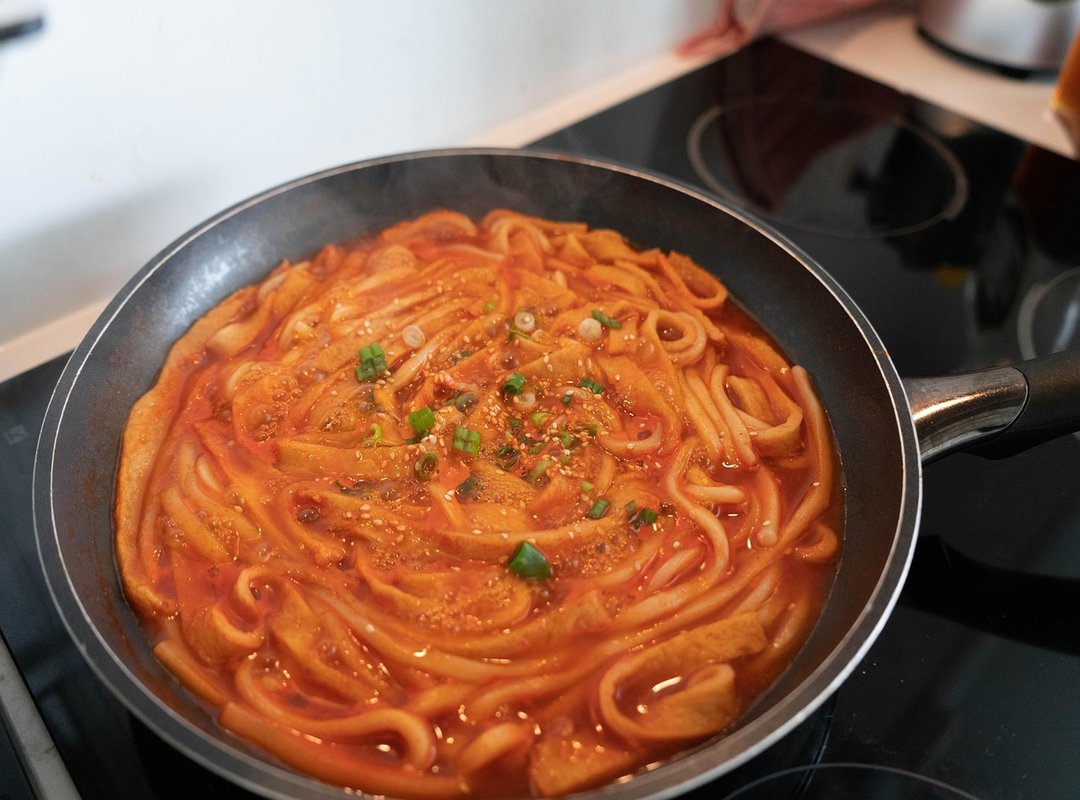
You can use gochujang in a variety of Korean dishes. It’s a key ingredient in bibimbap, tteokbokki (spicy rice cakes), and various stews (jjigae). Its versatility makes it a must-have in any Korean pantry.
Understanding gochujang content helps you appreciate its role in adding depth and complexity to your dishes.
The Hunt for Gochujang at Continente Supermarkets
Yes, you can often find gochujang at larger Continente locations. It’s usually in the ‘International Foods’ or ‘World Cuisine’ aisle, alongside other Asian sauces and ingredients.
The packaging typically comes in red rectangular plastic tubs, ranging from 250g to 1kg. Common, authentic brands you might see on the shelf include Sempio or CJ Haechandle. These are good indicators that you’ve found the right product.
If you can’t find it, here are a few steps to take:
- Check the Continente Online store. The selection is often larger there.
- Visit a dedicated Asian market in larger cities. They tend to have a wider variety of Asian ingredients.
- Remember, availability can vary by store size and location. So, it’s a good idea to check online first if possible.
In the future, I predict that gochujang continente will become even more widely available. As Korean cuisine continues to gain popularity, supermarkets are likely to stock more of these essential ingredients. Keep an eye out for new brands and larger selections in the coming years.
How to Choose the Best Gochujang for Your Kitchen
I remember the first time I bought gochujang. I stood in the aisle, overwhelmed by the options and unsure what to pick.
Start with the heat level. Most packaging will have a scale or label indicating ‘mild’, ‘medium hot’, or ‘very hot’.
If you’re new to gochujang, I recommend starting with ‘mild’ or ‘medium hot’. It’s better to ease into the flavor without being overwhelmed by the spice. gochujang continente
Check the ingredients list. Authentic gochujang should have rice, chili powder, and soybeans high on the list.
Avoid those with excessive corn syrup. It can dilute the authentic taste and quality.
Proper storage is key. Because it’s a fermented product, gochujang must be refrigerated after opening to maintain its quality and prevent spoilage.
Here’s a tip: when stored correctly in the fridge, an opened tub of gochujang can last for a year or more.
I’ve had my gochujang continente for over a year now, and it still tastes great. Just make sure to keep it sealed and in the fridge.
Easy and Delicious Ways to Use Gochujang
I remember the first time I tried gochujang. It was at a friend’s place, and I was hooked instantly. The depth of flavor and that mild heat—just perfect.
One of the simplest ways to use gochujang is to make a quick dipping sauce. Mix it with doenjang (soybean paste), sesame oil, garlic, and a touch of honey. It’s great for veggies or even as a spread on toast.
Another idea, and upgrade your mayonnaise. Stir in a small amount of gochujang to create a spicy aioli.
Perfect for sandwiches, burgers, or fries, and trust me, it’s a game-changer.
For a quick marinade, combine gochujang with soy sauce, ginger, and garlic. It works wonders on meat and vegetables. Just toss them in, let it sit for a bit, and then grill or bake.
Lastly, add a spoonful of gochujang to soups, stews, or even a bolognese sauce. It adds a surprising depth of flavor and a mild kick.
Gochujang continente is versatile and can elevate almost any dish. Give these ideas a try and see how they transform your meals.
Bringing Authentic Korean Flavors to Your Home
You now know what gochujang is and that your search for gochujang continente will likely fruitful. Selecting the right one can make a big difference in your dishes. This single ingredient can unlock a wide range of new and exciting flavors in your everyday cooking.
Try making a spicy mayo or a simple marinade to start. Be adventurous!
It’s surprisingly easy to begin exploring the delicious world of Korean cuisine right from your own kitchen.
 Benjamin Petronelsoner writes the kind of expert financial advice content that people actually send to each other. Not because it's flashy or controversial, but because it's the sort of thing where you read it and immediately think of three people who need to see it. Benjamin has a talent for identifying the questions that a lot of people have but haven't quite figured out how to articulate yet — and then answering them properly.
They covers a lot of ground: Expert Financial Advice, Wealth Management Strategies, Personal Finance Tips, and plenty of adjacent territory that doesn't always get treated with the same seriousness. The consistency across all of it is a certain kind of respect for the reader. Benjamin doesn't assume people are stupid, and they doesn't assume they know everything either. They writes for someone who is genuinely trying to figure something out — because that's usually who's actually reading. That assumption shapes everything from how they structures an explanation to how much background they includes before getting to the point.
Beyond the practical stuff, there's something in Benjamin's writing that reflects a real investment in the subject — not performed enthusiasm, but the kind of sustained interest that produces insight over time. They has been paying attention to expert financial advice long enough that they notices things a more casual observer would miss. That depth shows up in the work in ways that are hard to fake.
Benjamin Petronelsoner writes the kind of expert financial advice content that people actually send to each other. Not because it's flashy or controversial, but because it's the sort of thing where you read it and immediately think of three people who need to see it. Benjamin has a talent for identifying the questions that a lot of people have but haven't quite figured out how to articulate yet — and then answering them properly.
They covers a lot of ground: Expert Financial Advice, Wealth Management Strategies, Personal Finance Tips, and plenty of adjacent territory that doesn't always get treated with the same seriousness. The consistency across all of it is a certain kind of respect for the reader. Benjamin doesn't assume people are stupid, and they doesn't assume they know everything either. They writes for someone who is genuinely trying to figure something out — because that's usually who's actually reading. That assumption shapes everything from how they structures an explanation to how much background they includes before getting to the point.
Beyond the practical stuff, there's something in Benjamin's writing that reflects a real investment in the subject — not performed enthusiasm, but the kind of sustained interest that produces insight over time. They has been paying attention to expert financial advice long enough that they notices things a more casual observer would miss. That depth shows up in the work in ways that are hard to fake.