
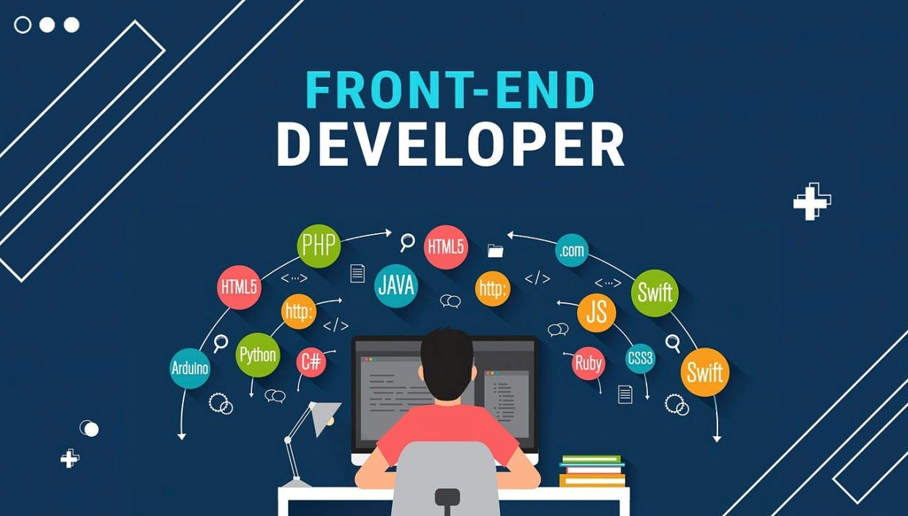
In today’s digital-first world, the quality of a website or application is often judged within seconds. How smoothly it loads, how intuitive it feels, and how visually appealing it appears all influence whether users stay or leave. At the center of this experience is frontend development, the discipline responsible for shaping everything users see and interact with on the screen. From simple websites to complex web platforms, frontend development plays a crucial role in defining digital success.
What Is Frontend Development?
Frontend development focuses on building the client-side of websites and applications. It is concerned with the parts of a digital product that users directly experience, such as layouts, buttons, menus, forms, and animations. While backend development handles servers, databases, and business logic, frontend development translates that logic into a usable and engaging interface.
The foundation of frontend development is built on three core technologies: HTML, which structures content; CSS, which controls design and layout; and JavaScript, which adds interactivity and dynamic behavior. Over time, modern frameworks and libraries have expanded these foundations, allowing developers to create fast, scalable, and highly interactive user interfaces.
Why Frontend Development Matters?
The importance of frontend development lies in its direct impact on user experience. A well-designed interface makes a product feel intuitive, trustworthy, and enjoyable to use. On the other hand, poor frontend execution can cause confusion, frustration, and high bounce rates, regardless of how powerful the underlying system may be.
Users today expect websites to be responsive, meaning they should function seamlessly across desktops, tablets, and smartphones. Frontend development ensures consistent performance and appearance across devices and browsers. It also plays a vital role in accessibility, making sure digital products can be used by people with different abilities. In this way, frontend development supports inclusivity while enhancing brand credibility.
The Role of a Frontend Developer
A frontend developer is responsible for converting design concepts into functional interfaces. This role requires a mix of technical skills and creative thinking. Developers must understand design principles, usability standards, and performance optimization techniques. Their work often includes implementing visual designs, managing user interactions, and ensuring that applications remain fast and reliable.
Beyond coding, frontend developers collaborate closely with designers, backend engineers, and product managers. They test interfaces across multiple browsers, resolve compatibility issues, and refine performance to deliver smooth user experiences. Their attention to detail ensures that digital products not only work correctly but also feel polished and professional.
Technological Trends Shaping Frontend Development
The field of frontend development continues to evolve rapidly, driven by new tools and changing user expectations. One major trend is the widespread use of component-based architectures, where interfaces are built from reusable elements. This approach improves consistency and makes applications easier to maintain.
Another key trend is the growing focus on performance and speed. Faster loading times and smoother interactions are now essential, especially as search engines and users prioritize efficient digital experiences. Accessibility has also gained importance, encouraging developers to design interfaces that can be used by a wider audience.
Additionally, modern frontend development increasingly relies on API-driven systems and headless architectures. These approaches allow greater flexibility by separating content management from presentation, enabling teams to deliver updates more efficiently across multiple platforms.
Frontend Development in Business Strategy
For businesses, frontend development is no longer just a technical requirement; it is a strategic investment. A strong frontend can differentiate a brand, increase customer engagement, and drive conversions. Whether launching a new product or improving an existing platform, companies rely on frontend development to communicate value clearly and effectively.
Many organizations choose to strengthen their capabilities by expanding their development teams with experienced frontend specialists. This approach allows businesses to scale quickly, meet deadlines, and maintain high-quality standards without long-term hiring commitments. As a result, frontend development becomes a flexible and powerful tool for achieving business goals.
Staff Augmentation and Frontend Expertise
Staff augmentation has emerged as a practical solution for companies that need additional frontend expertise. By integrating skilled frontend developers into existing teams, organizations can address skill gaps and accelerate development timelines. These professionals adapt to established workflows and contribute immediately to ongoing projects.
This model is particularly useful for businesses facing rapid growth, tight schedules, or complex technical requirements. It provides access to specialized knowledge while allowing companies to retain control over their product vision and development process. In this context, frontend development becomes more agile and responsive to changing demands.
The Future of Frontend Development
Looking ahead, frontend development will continue to evolve alongside advances in technology. While automation and AI tools may simplify certain tasks, human creativity and problem-solving will remain essential. Understanding user behavior, designing intuitive interfaces, and delivering meaningful experiences cannot be fully automated.
Future developments are likely to bring richer interactions, improved performance standards, and new ways of blending design with functionality. As digital experiences become more immersive, frontend development will remain a key driver of innovation and user satisfaction.
Conclusion
Frontend development is a vital part of building successful digital products. It connects technology with human interaction, transforming code into experiences that users can see, touch, and enjoy. From responsive layouts to interactive features, frontend development shapes how people engage with the digital world.
By prioritizing frontend development and investing in skilled professionals, businesses can create user-centered products that stand out in competitive markets. As expectations continue to rise, strong frontend development will remain essential for delivering value, usability, and lasting impact.