

Markets can look diversified while quietly hinging on a few mega caps. In the S&P 500, cap-weighting turns “the market” into a concentrated bet, often on U.S. tech-heavy growth.
According to S&P 500 concentration data from RBC Wealth Management, the top ten stocks are about 41% of index weight but only about 32% of earnings. That mismatch matters because valuation, regulation, supply chain shocks, and policy changes rarely hit the index evenly.
History is clear: extreme leadership tends to mean-revert, and the handoff can be fast. That is why portfolio diversification in 2026 is basic risk management when inflation, rates, and geopolitics can all pressure the same crowded trades.
Why Concentration Risk Is Driving Diversification Urgency
The S&P 500 can be a lot less diversified than it looks. With the top ten stocks around 41% of index weight but only about 32% of earnings, index investors are effectively paying a valuation premium that can ripple through the whole portfolio.
That concentration also means hidden single-sector risk: owning the S&P 500 is, in practice, a big bet on U.S. technology and communication services.
Markets like this tend to mean-revert. The dot-com cycle is a reminder that leadership can flip fast and drag returns for years, which is why 2026 is a smart time to check whether your portfolio diversification still matches today’s market structure.
Hard Assets Defined: What Qualifies and Why They Matter
Gold, Commodities, and Physical Holdings
Hard assets are tangible stores of value that can be held, used, or owned directly, unlike paper assets such as stocks, mutual funds, or most bonds. They include gold, silver, real estate, and commodities tied to energy, agriculture, and industrial inputs.
Investors often look to them when inflation pressures profit margins or erodes purchasing power. Because pricing for physical goods can respond to supply constraints and currency moves, their return drivers may diverge from equities and long-duration bonds.
For those considering physical metal, details such as liquidity, storage, and bid-ask spreads matter. Educational product pages, such as those in Monex, can help clarify what “physical holding” means in practice without replacing portfolio-level due diligence.
Real assets also tend to carry idiosyncratic costs. Taxes, insurance, maintenance, and storage can weigh on returns, so position sizing typically matters as well.
Inflation Hedges Beyond Precious Metals
Not every inflation hedge needs commodity volatility. TIPS adjust their principal based on a published inflation index, which can make them a bond-based tool for maintaining purchasing power when rates and prices move together.
Physical precious metals, on the other hand, provide portfolio insurance against currency and systemic risk that paper instruments cannot fully replicate.
In a diversified framework, investors may treat TIPS as a complement to commodities rather than a substitute. This fits within a broader discussion of alternative investments for long-term stability, where allocation choices aim to reduce reliance on any single market regime.
The Dollar Factor: Global Diversification Timing
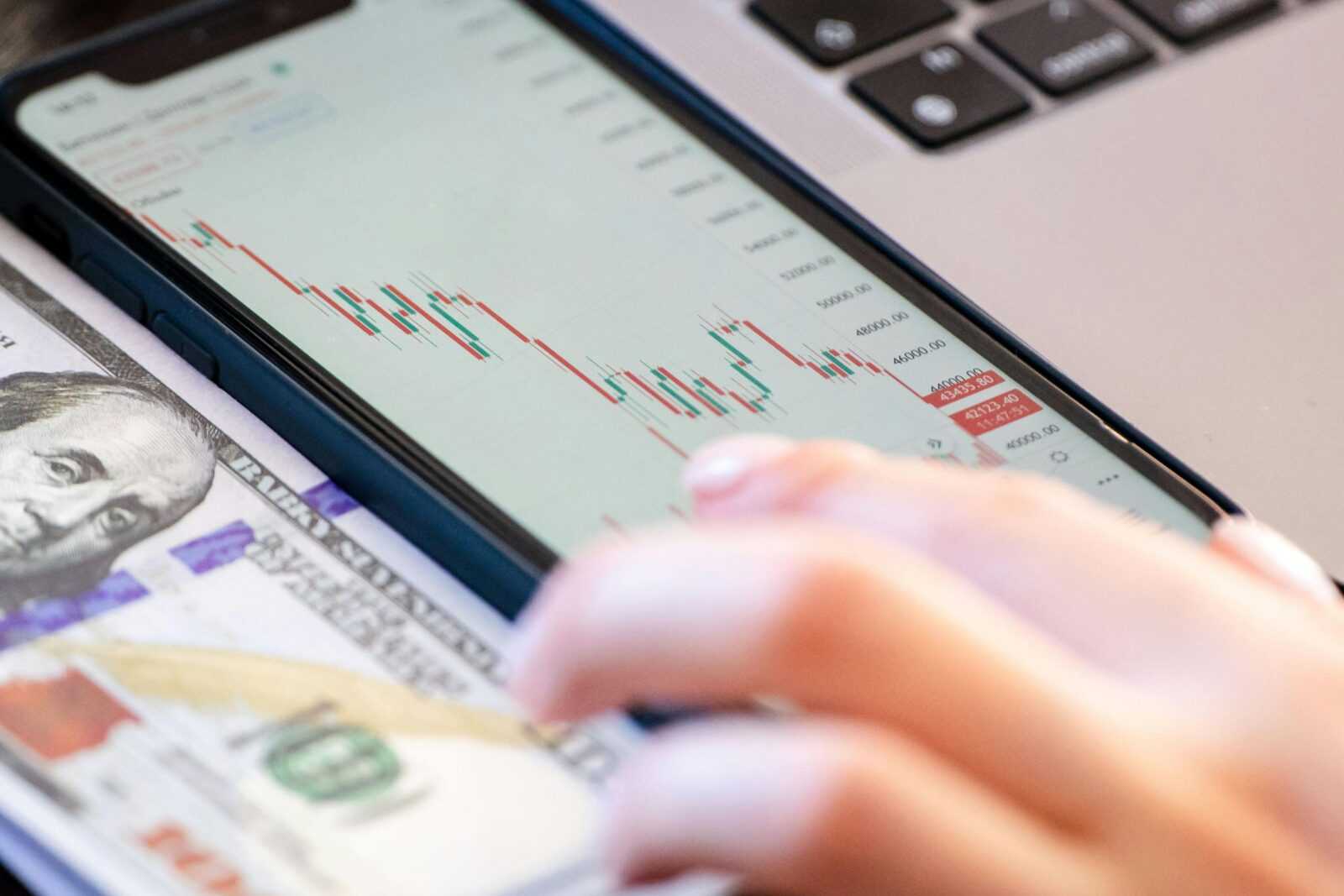
When the U.S. dollar falls, the same foreign market return can translate into more dollars when a U.S. investor converts gains back home. That currency tailwind is one reason international stocks can outperform during dollar-down cycles.
Dollar trends also filter into commodities. Most hard assets are priced globally in dollars, so a weaker dollar can coincide with higher dollar prices for energy, metals, and agricultural inputs, even when local demand stays steady.
For 2026, the setup looks less friendly for the dollar than in prior years. Large fiscal deficits can raise questions about longer-run purchasing power, and rate differentials may narrow if other central banks stay comparatively tight.
Timing global diversification is rarely about calling an exact turning point. Instead, it is more about recognizing when headwinds ease and correlations shift.
As dollar pressure builds, emerging markets frequently benefit because dollar-funded debt and imported inputs become less punitive, helping risk appetite and earnings expectations. That dynamic can make phased rebalancing toward international stocks and commodities feel more sensible than waiting for confirmation.
Protecting Compounding Through Asset Allocation
Compounding depends less on standout years than on avoiding deep setbacks. Large drawdowns force future gains to spend their energy climbing back to breakeven, which flattens the growth curve. The math is unforgiving: a 50% loss requires a 100% gain just to get back where you started. That asymmetry is why diversification matters as much for limiting the size and frequency of declines as it does for pursuing returns.
Asset allocation helps by spreading exposure across drivers that don’t all fail at the same time. Equities often slide when liquidity tightens or recession fears rise, while some hard assets can move differently because their pricing ties to physical supply, currency shifts, or inflation expectations. In stressful markets, correlations across risk assets can jump. Even then, hard assets have often shown lower correlation with equities than other growth-oriented sleeves — not a guarantee of protection, but a way to reduce the odds that everything drops in tandem.
A smoother return path also helps investors stay invested long enough for compounding to work. A practical way to implement it is to treat allocation as a risk budget: combine growth assets with stabilizers, rebalance as weights drift, and avoid letting any single sleeve dominate outcomes.
For a deeper primer, see why diversification matters in modern portfolios.
Rebalancing Hard Assets Into Your Portfolio
Hard assets diversify only when the portfolio holds them at a meaningful weight. Without that discipline, market swings can reshape exposures in ways that undermine the original allocation intent.
The starting point is an asset allocation target that matches risk tolerance and time horizon, since commodities, real estate, and metals can swing differently than bonds. A target between 5% and 15% in hard assets is common, though individual circumstances vary.
Set a range around each sleeve and use rebalancing rules to correct drift. For example, rebalance when the weight moves 20% above or below target, or review on a calendar basis, commonly once a year, to catch gradual shifts.
Tax-advantaged accounts can simplify rebalancing for funds or ETFs tied to commodities or real estate because trades do not create taxable gains. This can make threshold moves easier to follow.
In taxable accounts, investors may prefer to rebalance with new contributions, dividends, or selective trimming. That approach can limit realized gains while restoring the target weights.
Frequent adjustments can become over-trading. Annual checks or threshold-based moves often keep risk aligned without chasing price noise.
Building a Resilient Portfolio for 2026 and Beyond
By 2026, equity benchmarks may still mask concentration in a few mega caps, while inflation uncertainty and shifting rate paths keep correlations unstable. Those conditions favor revisiting portfolio diversification and asking whether return drivers are truly distinct across holdings.
Dollar dynamics, discussed earlier, add another layer. If the U.S. dollar weakens, foreign equities and globally priced commodities can behave differently from domestic growth stocks. Hard assets can also respond to supply constraints and purchasing power concerns, which can diversify outcomes beyond what traditional stock-bond mixes provide.
No sleeve is a full hedge, and hard assets can be volatile or costly to hold. A practical next step is to map current exposures by asset class, region, and factor, then identify gaps that show up in stress scenarios and rebalance accordingly.