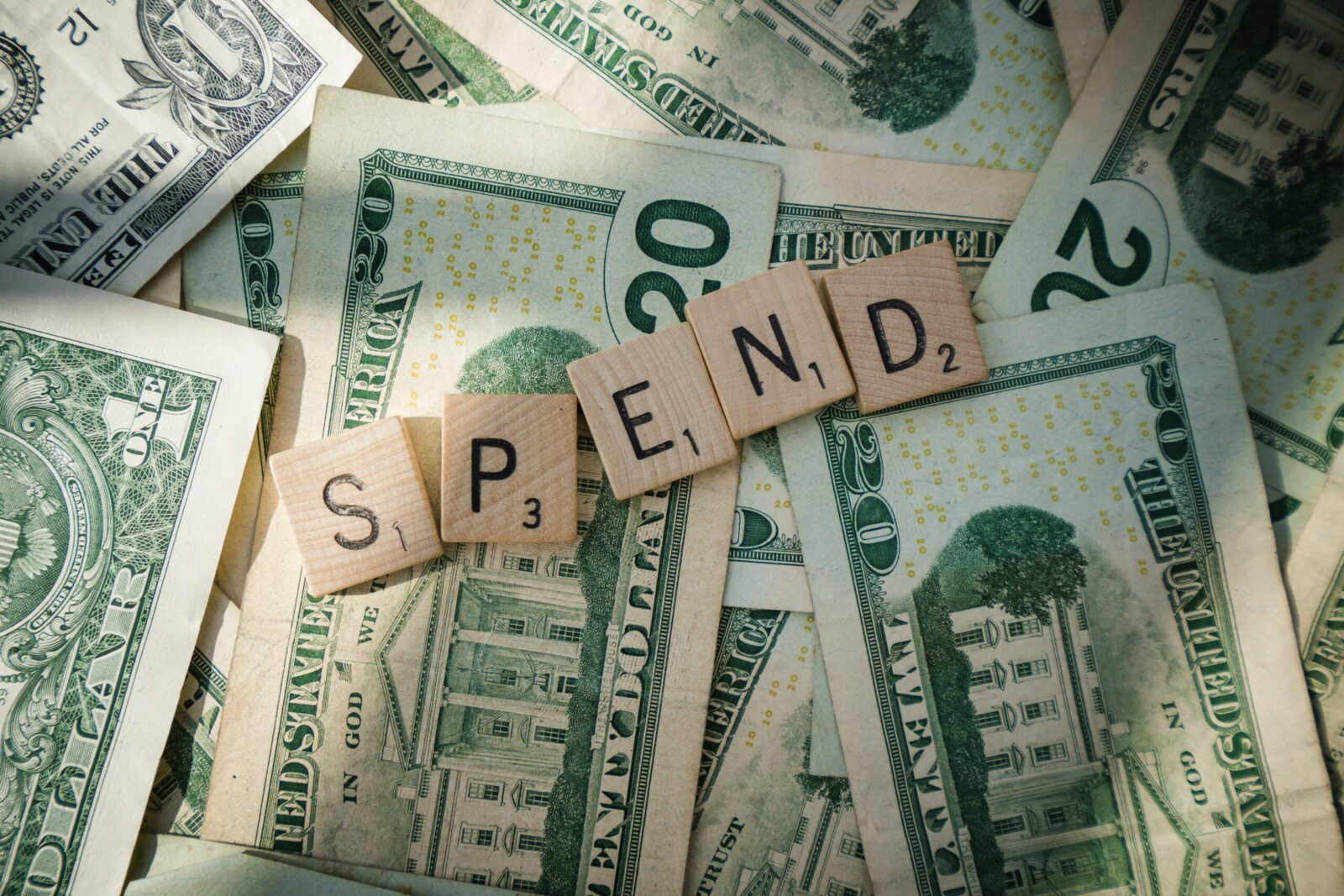

Know Where Your Money Goes
Start with brutal clarity. For 30 days, track every single cent. Yes, every coffee, every random Amazon order, every ATM fee. Use apps like Mint or YNAB if you want structure, but a simple spreadsheet or notebook works too. The tool isn’t the point honesty is.
Once you’ve got it all in front of you, patterns emerge. Maybe it’s the $9 delivery fees stacking up, or that gym membership you forgot you had. These are the habits that quietly drain your money and then scale up into real problems.
Now take a breath. This isn’t about shame or guilt. It’s just data. Use it to build a budget that reflects your actual life, not the version you think you’re supposed to live. If you grab takeout three nights a week, don’t pretend you won’t. Budget for it. Be real. A good budget lets you live not just survive.
Start Saving (Even If It’s Small)
Start where you are but start. Even a modest emergency fund of $500 to $1,000 can absorb the sting of a car repair or a surprise bill. It’s not about covering everything it’s about buying peace of mind and space to think. Once you have that buffer, life feels a little less like walking a tightrope.
Don’t wait for motivation to strike. Automate your savings so it happens in the background. Think of it less like finance magic and more like gym reps you show up, momentum builds. $20 a week might not feel like much, but give it a year and you’ll surprise yourself.
And where that money sits matters. A high yield savings account pays you more for holding it basically interest that doesn’t suck. It won’t make you rich, but it’s smarter than parking your emergency fund in a checking account that gives you nothing. Quiet discipline wins.
Invest Early, Not Perfectly

The math doesn’t lie: time beats timing. Compound interest rewards those who start early, not those who wait until they feel ‘ready.’ Waiting for a bigger paycheck or the perfect moment just delays growth you can’t get back.
If your employer offers a 401(k), start contributing even if it’s just enough to get the match. A Roth IRA is also your friend: post tax dollars in now, tax free growth later. Don’t worry about picking the perfect fund or maxing it out right away. Just starting puts you ahead of most.
Here’s the truth: you don’t have to be an expert. You don’t need to memorize the stock market or outthink the next recession. What matters is action, not perfection. The sooner you build the habit of investing, the stronger the foundation you’re laying for future you.
Get more lifestyle finance tips
Build Credit the Right Way
A strong credit profile doesn’t just open doors it saves you money in the long run. From getting approved for your first apartment to locking in low interest rates on your first car loan or mortgage, starting early with the right credit habits gives you leverage.
Start with One, Manage It Well
You don’t need multiple credit cards to build credit. In fact, simpler is better when you’re starting:
Start with one beginner friendly credit card
Use it regularly but only for things you’d already be buying (like groceries or gas)
Pay the full balance every month to avoid interest and build a positive payment history
Auto Pay for Peace of Mind
Late payments can hurt your credit score more than you think. If you’re looking for the best way to send money to Nigeria, choosing fast and reliable transfer options can also help you avoid delays that lead to missed payments. Avoid missed due dates with these smart moves:
Set up auto pay for at least the minimum due amount
Set payment reminders if you prefer manual payments
Review statements monthly to catch errors or fraud
Why Good Credit Pays Off
Credit isn’t just about approval it’s about cost. With a strong credit profile, you can:
Qualify for lower interest rates on loans and credit cards
Get better deals on car insurance and rental agreements
Have more negotiating power when financing major purchases
Start small, stay consistent, and let time do the rest. Responsible credit use now unlocks financial ease later.
Spend Below Your Means But Don’t Ignore Joy
Spending less than you earn doesn’t mean stripping life down to canned beans and self denial. If your budget makes you miserable, you’re setting yourself up to ditch it. Build in room for fun small trips, game nights, takeout Fridays on purpose, not by accident. This isn’t just morale boosting; it’s strategic. Joy keeps you consistent.
The trick is intentionality. Before you swipe or click, ask: Do I really want this or am I just bored or stressed? That small pause can stop a lot of waste. Spending with intention means you’re in control, not your impulses.
And yes, small luxuries are allowed. A latte or new hoodie isn’t what ruins people financially ignoring your big financial goals is. Handle the essentials, automate your savings, invest what you can. Once those bases are covered, enjoy the leftovers without guilt. A budget that makes you feel deprived won’t last. One that leaves space for joy? That’s sustainable.
Learn, Then Upgrade
Getting good with money isn’t a one and done deal it’s more like strength training. You do reps, you rest, you get stronger. The same goes for your finances.
Start by feeding your brain. Read short form articles. Follow creators who break down personal finance without making it feel like homework. Ask questions, even the ones that feel dumb. The more you understand, the less intimidated you’ll be to take bigger steps.
Then, check in with your money regularly. Revisit your budget and savings goals every 3 to 6 months. Want to travel more? Save for a car? Cut down on credit card debt? Your goals shift your money plan should too.
Last thing: remember that personal finance? It’s personal. What works for your coworker or your cousin might not fit you. Test what makes sense. Tweak what doesn’t. You’re not failing if you adapt you’re just paying attention.
Explore more actionable lifestyle finance tips here
 Clifton Seilerance is the kind of writer who genuinely cannot publish something without checking it twice. Maybe three times. They came to investment strategies and insights through years of hands-on work rather than theory, which means the things they writes about — Investment Strategies and Insights, Wealth Management Strategies, Budgeting and Saving Techniques, among other areas — are things they has actually tested, questioned, and revised opinions on more than once.
That shows in the work. Clifton's pieces tend to go a level deeper than most. Not in a way that becomes unreadable, but in a way that makes you realize you'd been missing something important. They has a habit of finding the detail that everybody else glosses over and making it the center of the story — which sounds simple, but takes a rare combination of curiosity and patience to pull off consistently. The writing never feels rushed. It feels like someone who sat with the subject long enough to actually understand it.
Outside of specific topics, what Clifton cares about most is whether the reader walks away with something useful. Not impressed. Not entertained. Useful. That's a harder bar to clear than it sounds, and they clears it more often than not — which is why readers tend to remember Clifton's articles long after they've forgotten the headline.
Clifton Seilerance is the kind of writer who genuinely cannot publish something without checking it twice. Maybe three times. They came to investment strategies and insights through years of hands-on work rather than theory, which means the things they writes about — Investment Strategies and Insights, Wealth Management Strategies, Budgeting and Saving Techniques, among other areas — are things they has actually tested, questioned, and revised opinions on more than once.
That shows in the work. Clifton's pieces tend to go a level deeper than most. Not in a way that becomes unreadable, but in a way that makes you realize you'd been missing something important. They has a habit of finding the detail that everybody else glosses over and making it the center of the story — which sounds simple, but takes a rare combination of curiosity and patience to pull off consistently. The writing never feels rushed. It feels like someone who sat with the subject long enough to actually understand it.
Outside of specific topics, what Clifton cares about most is whether the reader walks away with something useful. Not impressed. Not entertained. Useful. That's a harder bar to clear than it sounds, and they clears it more often than not — which is why readers tend to remember Clifton's articles long after they've forgotten the headline.