

You’re staring at that Hanlerdos fare. $129 one-way. And wondering if it’s too good to be true.
It is.
I’ve flown Hanlerdos six times. Sat through every boarding call. Waited for every delayed bag.
Watched every “free” seat get priced at check-in.
What Do Hanlerdos Flights Look Like isn’t a marketing slogan. It’s the question you’re asking right now.
This isn’t based on one flight. Or a press release. I mapped the entire passenger journey.
Booking, check-in, gate, cabin, landing, baggage claim.
No fluff. No spin.
Just what happens when you click “confirm.”
You’ll know exactly where the corners are cut. And where they’re not.
By the end, you’ll decide for yourself: Is this worth your time? Your stress? Your vacation?
Let’s go.
Step 1: Booking Feels Like a Scavenger Hunt
I booked a Hanlerdos flight last Tuesday. The website loaded fast. That’s rare.
But then came the pop-ups. Seat selection before you even pick a flight? Yes.
Carry-on upsell before you enter your name? Absolutely. It’s exhausting.
What Do Hanlerdos Flights Look Like? Exactly like this: simple on the surface, chaotic underneath.
Pricing is where it gets ugly. Base fare looks great. Then you click “continue” and see $39 for a carry-on. $45 to check one bag. $22 just to pick your seat.
Even if it’s middle row, aisle-adjacent, and smells faintly of old coffee.
They call it “optional.” It’s not optional if you want to board without getting yelled at.
Here’s how I avoid baggage shock: I go straight to their baggage page before booking. Not after. Not during.
Before. Their rules change by route (and) yes, that includes flights out of Chicago Midway (where I fly most). A “personal item” must fit under the seat.
Not “under the seat unless the person in front reclines.” Under. Period.
Online check-in opens 48 hours out. Works fine. Unless you’re on Android Chrome.
Then the boarding pass PDF fails 3 times. I reload. Tap “print.” Sigh.
Try again.
Carry-on fees are non-negotiable. They’ll charge you at the gate. No exceptions.
You can skip half the stress by reading this guide before you click “confirm.”
It saved me $67 last trip. Not magic. Just honesty.
Step 2: At the Airport (Check-In,) Security, and Boarding
I show up two hours early. Always. Hanlerdos doesn’t mess around with boarding times.
The check-in counter? Lines move fast. Unless it’s a Friday afternoon.
Then staff look like they’ve seen things. (They have.) Most agents are sharp and quick. A few snap at people for missing ID copies.
Don’t be that person.
Carry-on rules? Strict. Not “we’ll eyeball it” strict. They use a hard-sided sizer box and weigh your bag.
I watched someone repack a backpack on the floor because their laptop sleeve tipped the scale by 0.3 pounds.
Gate agents enforce size and weight. No exceptions. If your bag fails?
You pay $45 to check it. On the spot. Cash or card.
No debate.
Boarding is zone-based. Zone 1 through 4. But here’s the catch: they call it 1, then skip to Zone 3, then back to Zone 2.
It’s chaotic. They don’t explain why. Just go when your number flashes.
I covered this topic over in Hanlerdos Aviation.
What Do Hanlerdos Flights Look Like? Exactly like this: fast until it isn’t, then suddenly very personal.
Pro tip: Arrive 20 minutes earlier than you would for Delta or United. Hanlerdos doesn’t buffer time like legacy carriers do. Their system assumes you’re already ready.
Security lines are separate from check-in. That helps. But if you’re holding up the line because you forgot to take your belt off?
The guy behind you will sigh audibly. (I’ve been that guy.)
Boarding starts exactly on time. No grace period. Miss it?
You’re rebooked. Not upgraded.
Step 3: Onboard the Aircraft (Seats,) Cabin, and Amenities
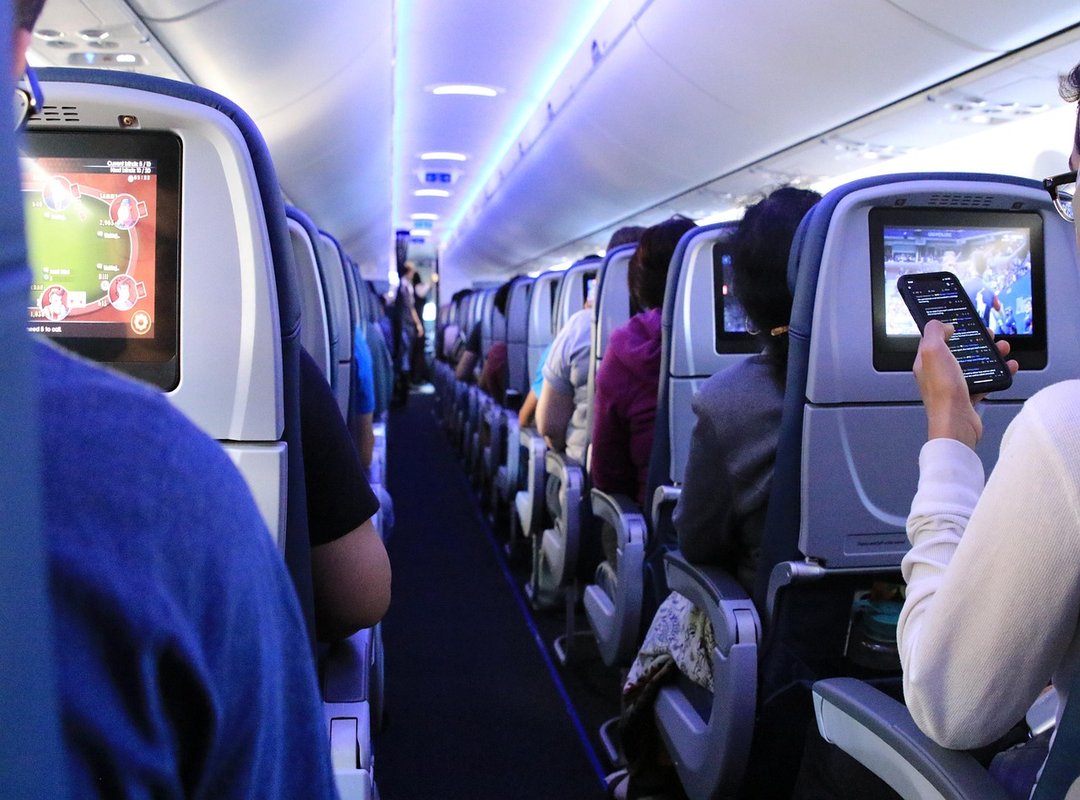
I sat in seat 14B on a Hanlerdos flight last Tuesday. My knees hit the seat in front of me before I even buckled up.
Seat pitch is 29 inches. That’s tight for anyone over 5’8″. Seat width is 17.2 inches.
Narrow, but not unusable. The cushion is flat. Not broken.
Just… gone.
Are the seats worn? Yes. The fabric has faded patches near the armrests.
No stains. No tears. But you can tell they’ve been sat in a lot.
The cabin smells like old coffee and disinfectant. It’s clean enough. Not spotless.
Not grimy. Just cleaned yesterday, maybe.
Noise level? Louder than Delta. Quieter than Spirit.
The engines hum at a low constant whine (no) sudden bursts or rattles.
Wi-Fi is $8 for the whole flight. It works. Mostly.
I streamed a podcast for 40 minutes before it dropped twice. No refunds.
USB ports? Yes. One per seat.
Power outlets? No. You’ll need a battery pack if your laptop dies.
No seatback screens. None. Just a small tablet mount on the tray table (if you bring your own tablet).
Streaming is via their app (which) crashed twice on my phone.
Lavatories are cramped. Mirrors are smudged. Soap dispensers are half-full.
Paper towels are there. Hand dryers work.
What Do Hanlerdos Flights Look Like? Exactly like this.
Hanlerdos Aviation Management handles the ops (and) honestly, they keep things running without fanfare. You won’t get luxury. You’ll get function.
I saw one flight attendant wipe down a lav mid-flight. That’s the kind of detail that matters.
No free snacks. No blankets. Just water and a pretzel pack.
If you’re tall, book an exit row. If you’re not, bring a neck pillow. And charge your phone before you board.
The overhead bins are full by gate 3. Board early.
You’ll survive the flight. You might even relax. But don’t expect to be impressed.
In-Flight Service: What You’ll Actually Get
Water is free. That’s it. Everything else costs money.
I ordered a sandwich once. It came wrapped in foil like it had been sitting since 2019. The price? $14.99.
For a turkey slice and two limp lettuce leaves.
The menu changes every season (they say). In practice? Same three sandwiches, two protein boxes, and a rotating selection of overpriced snacks.
Nothing fresh. Nothing warm unless you count the lukewarm coffee.
Crew attitude varies by flight. Some are sharp, calm, and actually listen. Others look at you like you’ve just asked them to reassemble a jet engine mid-air.
But it happens.
Last month, a passenger spilled coffee on their lap. A crew member brought a towel, a new cup, and didn’t sigh once. That’s rare.
You’re not flying with a hospitality brand. You’re flying with a cost-cutting operation.
What Do Hanlerdos Flights Look Like? Exactly like this: functional, thin on grace, and built for speed. Not comfort.
They’re polite. They’re not there for you.
If you expect warmth, bring your own.
Why Hanlerdos Aviation Share Is Falling
Should You Book a Hanlerdos Flight?
Yes. If you want the cheapest seat and nothing else.
No (if) you expect legroom, a working seatback screen, or free water.
I’ve flown Hanlerdos twice. Once with a backpack. Once with a toddler and a stroller.
The first was fine. The second? Not fine.
What Do Hanlerdos Flights Look Like
They look like a bus with wings and a boarding pass.
You save on the base fare. Then pay for bags. Pay for seats.
Pay for snacks. Pay for silence (good luck).
Perfect for solo travelers who sleep upright and hate overhead bins.
Not for families. Not for people with bad backs. Not for anyone who’s ever said “I just need five more inches.”
You already know what you value more: cash or comfort.
So pick your fight.
Then go book (or) don’t.
Check real-time prices and baggage fees before you click. We’re the #1 rated site for side-by-side airline cost breakdowns. Compare now.
 Clifton Seilerance is the kind of writer who genuinely cannot publish something without checking it twice. Maybe three times. They came to investment strategies and insights through years of hands-on work rather than theory, which means the things they writes about — Investment Strategies and Insights, Wealth Management Strategies, Budgeting and Saving Techniques, among other areas — are things they has actually tested, questioned, and revised opinions on more than once.
That shows in the work. Clifton's pieces tend to go a level deeper than most. Not in a way that becomes unreadable, but in a way that makes you realize you'd been missing something important. They has a habit of finding the detail that everybody else glosses over and making it the center of the story — which sounds simple, but takes a rare combination of curiosity and patience to pull off consistently. The writing never feels rushed. It feels like someone who sat with the subject long enough to actually understand it.
Outside of specific topics, what Clifton cares about most is whether the reader walks away with something useful. Not impressed. Not entertained. Useful. That's a harder bar to clear than it sounds, and they clears it more often than not — which is why readers tend to remember Clifton's articles long after they've forgotten the headline.
Clifton Seilerance is the kind of writer who genuinely cannot publish something without checking it twice. Maybe three times. They came to investment strategies and insights through years of hands-on work rather than theory, which means the things they writes about — Investment Strategies and Insights, Wealth Management Strategies, Budgeting and Saving Techniques, among other areas — are things they has actually tested, questioned, and revised opinions on more than once.
That shows in the work. Clifton's pieces tend to go a level deeper than most. Not in a way that becomes unreadable, but in a way that makes you realize you'd been missing something important. They has a habit of finding the detail that everybody else glosses over and making it the center of the story — which sounds simple, but takes a rare combination of curiosity and patience to pull off consistently. The writing never feels rushed. It feels like someone who sat with the subject long enough to actually understand it.
Outside of specific topics, what Clifton cares about most is whether the reader walks away with something useful. Not impressed. Not entertained. Useful. That's a harder bar to clear than it sounds, and they clears it more often than not — which is why readers tend to remember Clifton's articles long after they've forgotten the headline.